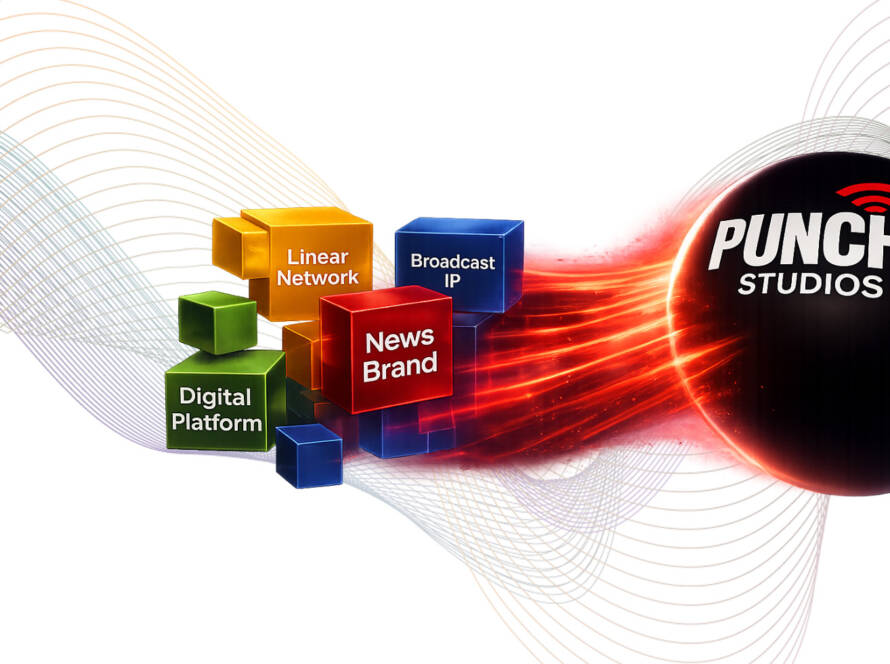


Why Governance and Compliance Matter in Modern Media Enterprises. Corporate governance and regulatory compliance are no longer administrative functions within modern media enterprises. They are foundational growth drivers. In an environment defined by complex capital markets, evolving securities regulations, intellectual property protection, and multi-platform distribution, governance discipline directly impacts enterprise value.
For media companies operating across broadcast, digital, streaming, and content production platforms, governance is not separate from growth strategy. It enables growth.
Governance as Infrastructure
Historically, governance frameworks were often viewed as reactive systems implemented after scale was achieved. Today, governance must operate as infrastructure from inception.
Modern media enterprises face:
- Securities compliance requirements
- Intellectual property protection obligations
- Distribution licensing frameworks
- Advertising transparency standards
- Data privacy regulations
- Multi-jurisdictional reporting expectations
Without structured internal controls and compliance oversight, scaling these operations introduces material risk.
Governance systems create operational clarity. They reduce uncertainty in capital formation. They strengthen investor confidence.
Why Governance and Compliance Matter in Modern Media Enterprises

Compliance and Capital Formation
In contemporary capital markets, access to funding is directly correlated with governance maturity.
Institutional investors, private equity groups, and strategic partners evaluate:
- Disclosure discipline
- Reporting consistency
- Internal control frameworks
- Board oversight structures
- Regulatory risk exposure
Companies that demonstrate procedural rigor and structured documentation practices are more likely to secure capital efficiently and at favorable terms.
Compliance is therefore not a constraint on growth. It is a prerequisite for sustainable expansion.
Punch TV Studios, Inc., for example, strengthened its internal controls, documentation practices, and compliance oversight as regulatory standards matured.
Governance in Practice: An Independent Media Example
Independent media enterprises that operated during transitional regulatory periods have increasingly embedded governance discipline into their operating model. Punch TV Studios, Inc., for example, strengthened its internal controls, documentation practices, and compliance oversight as regulatory standards matured.
This evolution reflects a broader industry pattern: companies that integrate governance architecture into leadership decision-making position themselves more effectively for capital engagement, structured acquisitions, and operational scale.
The emphasis is not on reacting to scrutiny, but on institutionalizing discipline.
Governance and Strategic Expansion
Market consolidation, structured acquisitions, and cross-platform integration require disciplined governance architecture. When companies pursue strategic expansion through structured acquisitions, the integration of assets demands:
- Financial transparency
- Regulatory alignment
- Documentation continuity
- Risk management protocols
- Integration oversight
Acquisition strategy without governance maturity creates instability. Governance-led expansion creates scalability.
Institutional acquirers and lenders assess governance posture before evaluating creative assets. Content value is enhanced when supported by compliance infrastructure.
Governance and Long-Term Sustainability
In modern media enterprises, sustainability is defined not only by content success but by operational resilience.
Governance supports:
- Risk mitigation
- Reputation stability
- Regulatory readiness
- Institutional partnership
- Acquisition integration
Companies that embed compliance culture into leadership decision-making are positioned to pursue scale responsibly.
Operational seriousness builds institutional credibility.
Modern media growth is built on governance architecture as much as creative execution.
{ “@context”: “https://schema.org”, “@type”: “FAQPage”, “mainEntity”: [ { “@type”: “Question”, “name”: “Why is corporate governance important in modern media enterprises?”, “acceptedAnswer”: { “@type”: “Answer”, “text”: “Corporate governance provides operational clarity, regulatory alignment, and capital market credibility. In modern media enterprises, governance functions as infrastructure that supports sustainable growth and enterprise value.” } }, { “@type”: “Question”, “name”: “How does compliance impact media company growth?”, “acceptedAnswer”: { “@type”: “Answer”, “text”: “Compliance supports growth by reducing regulatory risk, improving investor confidence, and strengthening disclosure discipline. Companies with structured compliance frameworks are better positioned to access institutional capital.” } }, { “@type”: “Question”, “name”: “What role does governance play in structured acquisitions?”, “acceptedAnswer”: { “@type”: “Answer”, “text”: “Governance ensures financial transparency, regulatory readiness, documentation continuity, and integration oversight. Without governance maturity, acquisition-driven expansion can create operational instability.” } }, { “@type”: “Question”, “name”: “Why do investors evaluate governance before investing in media companies?”, “acceptedAnswer”: { “@type”: “Answer”, “text”: “Investors assess governance to determine disclosure discipline, internal controls, regulatory exposure, and long-term sustainability. Governance maturity signals operational seriousness and capital readiness.” } }, { “@type”: “Question”, “name”: “How can independent media enterprises strengthen governance?”, “acceptedAnswer”: { “@type”: “Answer”, “text”: “Independent media enterprises can strengthen governance through legal review prior to fundraising, structured reporting systems, compliance oversight integration, and disciplined investor communication practices.” } } ] }Why Governance and Compliance Matter in Modern Media Enterprises